

Child-resistant mylar bags: how they work and what to check
How child-resistant mylar bags work, which standards apply, and the checks to make before you buy, from test reports to fill height.

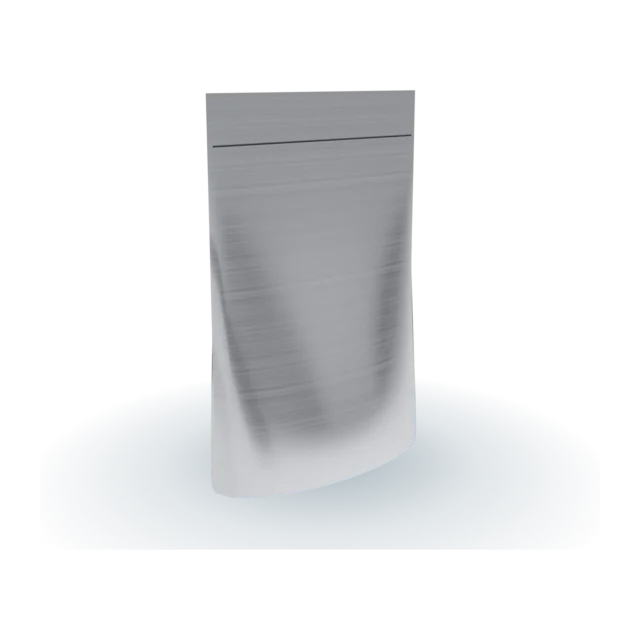
Child-resistant mylar bags are foil or film pouches with a closure designed so that young children find them hard to open while adults can open and reclose them, usually a zip that needs two actions at once, such as pinch and pull. A bag only counts as child-resistant if that exact bag and closure has passed a recognised test, so the test evidence matters more than the label on the box.
What makes a mylar bag child-resistant
A standard stand-up mylar bag has a press-to-close zip. Anyone, including a small child, can pull it open. A child-resistant bag changes the closure so that opening needs a combination of strength, coordination and understanding that young children usually do not have, but that most adults do.
The bag body is usually the same as a standard mylar pouch: a laminated film, often with a foil layer, a gusset so it stands up and a heat-seal area at the top. What changes is the closure, and sometimes the film thickness, so a child cannot simply tear through the bag beside the zip.
How child resistant zipper bags work
There are three common designs. Each has trade-offs for the person using it every day.
| Closure type | How an adult opens it | Strengths | Watch out for |
|---|---|---|---|
| Dual-action zip | Pinch a marked point and pull apart at the same time | Looks like a normal pouch; no extra parts | Users need clear instructions; can feel stiff at first |
| Lock slider | Press a button or tab on the slider while sliding it open | Easy to see whether the bag is closed | Slider adds bulk and a plastic part |
| Heat seal with tear notch, no zip | Tear at the notch, often with scissors | Simple, strong seal before opening | Not reclosable, so it only protects until first opening |
| Bag inside a child-resistant container | Open the outer container first | The outer pack does the child-resistant work | More packaging and space |
A child-resistant zip only works when it is fully closed. Bags with a closure that shows a clear line or colour when sealed, and instructions printed on the bag, help adults close them properly every time.
The standards: EN ISO 8317 and EN 862
Two standards come up again and again. For hazardous chemical mixtures sold to the public, GB CLP names them in Annex II, section 3.1:
- EN ISO 8317 for child-resistant fastenings on reclosable packages. A resealable mylar bag falls into this group.
- EN 862 for non-reclosable packages for non-pharmaceutical products. A heat-sealed sachet with no zip falls into this group.
Annex II also says conformity of these fastenings may only be confirmed by laboratories that meet EN ISO/IEC 17025, the standard for testing laboratories. In practice, that is why you should ask for a test report from an accredited laboratory rather than accept a description on a supplier’s listing.
These tests use people, not machines. A panel of young children tries to open the pack, and a panel of adults has to be able to open it and, for a reclosable pack, close it again properly. A pack passes only if enough children fail and enough adults succeed. Our guide to child-resistant packaging in the UK explains the standards and test panels in more depth.
When you need child-resistant bags
Whether a bag has to be child-resistant depends on the product, not the bag. Some products fall under specific rules; for others, child-resistant packaging is a choice made by the brand or asked for by a stockist.
- Hazardous chemical mixtures: GB CLP requires child-resistant fastenings for certain hazard classes and substances sold to the public. HSE’s guidance on packaging, child-resistant closures and tactile warnings explains when the requirement is triggered.
- Products for adults that could harm a child: many brands choose child-resistant packs as good practice, and some retailers make it a condition of stocking.
- CBD and hemp goods: check the current rules for your product, and what your stockists ask for. Our guide to CBD packaging requirements in the UK covers labels, claims and safety.
Check the current rules with the relevant regulator or a legal adviser for your product before you choose a bag.
What to check before you buy child proof mylar bags
People search for child proof mylar bags, but no bag is child-proof. Use this checklist with any supplier, including us.
- Test report: ask for the report for the exact bag, size and closure. A report for a different size or zip does not transfer automatically.
- Laboratory: check the report comes from a laboratory that meets EN ISO/IEC 17025.
- Standard named: the report should name the standard, such as EN ISO 8317 for a reclosable bag.
- Film strength: a strong closure on a thin film can be bypassed by tearing. Check the film is robust enough for the closure to matter.
- Instructions: opening and closing instructions should be printed on the bag, near the zip.
- Fill and seal: make sure your fill level leaves room for the zip to close fully and the heat seal to run clear of the product.
Child-resistant, tamper-evident and smell: three different jobs
A child-resistant zip answers one question: can a young child open it? It does not answer two others that buyers often ask.
Tamper evidence
A reclosable zip, child-resistant or not, opens and closes without leaving a trace. Tamper evidence comes from heat sealing the bag above the zip after filling, so the buyer has to tear it open at the notch, or from a seal sticker across the top. Our guide to tamper-evident packaging compares the options.
Odour
A thick foil laminate with a good heat seal greatly reduces odour, but nothing is completely smell proof, and zip closures leak more than a heat seal. A child-resistant zip is still a zip. Our article are mylar bags smell proof? explains what actually keeps odour in, and how to seal mylar bags covers the heat seal itself.
Choosing the right size and design
Child-resistant closures take up some height at the top of the bag, so choose a size with a little headroom over your fill. Our guide to mylar bag sizes lists the 3.5 g, 7 g, 14 g and 28 g formats. Fill a sample with your real product, close the zip fully and check the heat-seal area is clear before you order a full run.
Design the bag so the opening instructions sit close to the zip and are easy to read. Keep your brand on the front panel and put the required information and handling instructions on the back.
Making child-resistant bags work in daily use
A child-resistant bag protects only as well as it is used. A zip left half closed, or a bag decanted into a plain pouch, loses the benefit. A few simple steps help.
- Close it fully at packing. Run a finger along the whole zip after filling, then heat seal above it, so every bag leaves you closed and sealed.
- Show the buyer how. Print short, clear opening and closing steps on the bag. If the closure is unusual, a small diagram helps.
- Tell buyers to keep it in the bag. A line such as “Keep in this bag and out of reach of children” reminds them the pack is part of the protection.
- Check a sample from each batch. Open and close a few bags from every delivery to make sure the zips engage properly.
- Brief your stockists. Shop staff who know how the bag opens can show customers, rather than cutting it open for them.
Ordering child-resistant bags from us
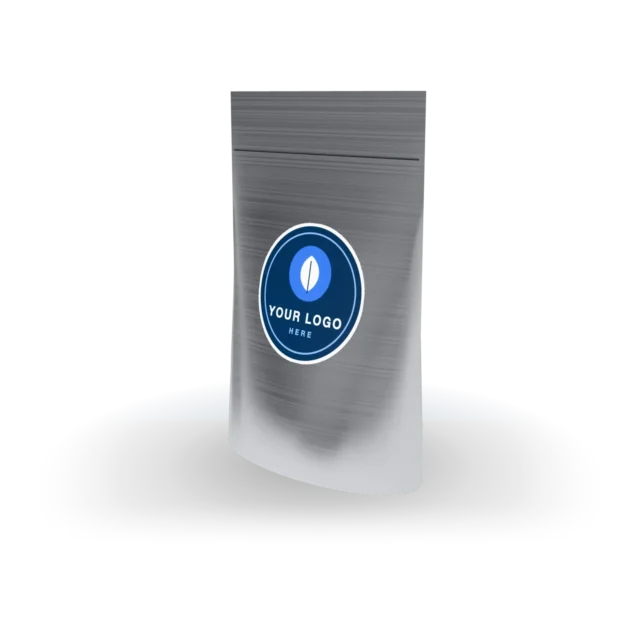
Our mylar bags range covers resealable stand-up pouches, barrier bags and child-resistant bags. Our listed stand-up bags come in 3.5 g, 7 g, 14 g and 28 g, plain in silver foil, holographic, black, white or kraft, with a custom sticker, or custom printed on both sides.
If you need a child-resistant version, tell us on the quote form: the product, the fill weight, the quantity and the standard your product or stockist requires. Ask for the test evidence for the exact bag before you order, and we will tell you what we can supply.
Frequently asked questions
Are child resistant mylar bags child proof?
No. Child-resistant means the bag is designed to be hard for young children to open and workable for adults, and has passed a test with real children and adults. No pack is fully child-proof, so keep products out of reach as well.
Which standard applies to resealable child-resistant bags?
For reclosable packs the reference standard is EN ISO 8317. For non-reclosable packs for non-pharmaceutical products it is EN 862. GB CLP names both in Annex II for hazardous chemical mixtures.
How do I open a child-resistant zipper bag?
It depends on the design. Most dual-action zips need you to pinch a marked point and pull at the same time. Lock sliders need a tab pressed while sliding. Follow the instructions printed on the bag.
Does a child-resistant bag keep smell in?
Not by itself. A thick foil laminate with a good heat seal greatly reduces odour, but nothing is completely smell proof, and zip closures leak more than a heat seal.
What proof should I ask for?
Ask for a test report for the exact bag, size and closure, naming the standard and issued by a laboratory that meets EN ISO/IEC 17025. A report for a different bag does not cover yours.