

CBD packaging requirements in the UK: labels, claims and safety
What UK CBD packaging must show, by product type: food label particulars, FSA public list, cosmetics labelling, claims to avoid and secure closures.
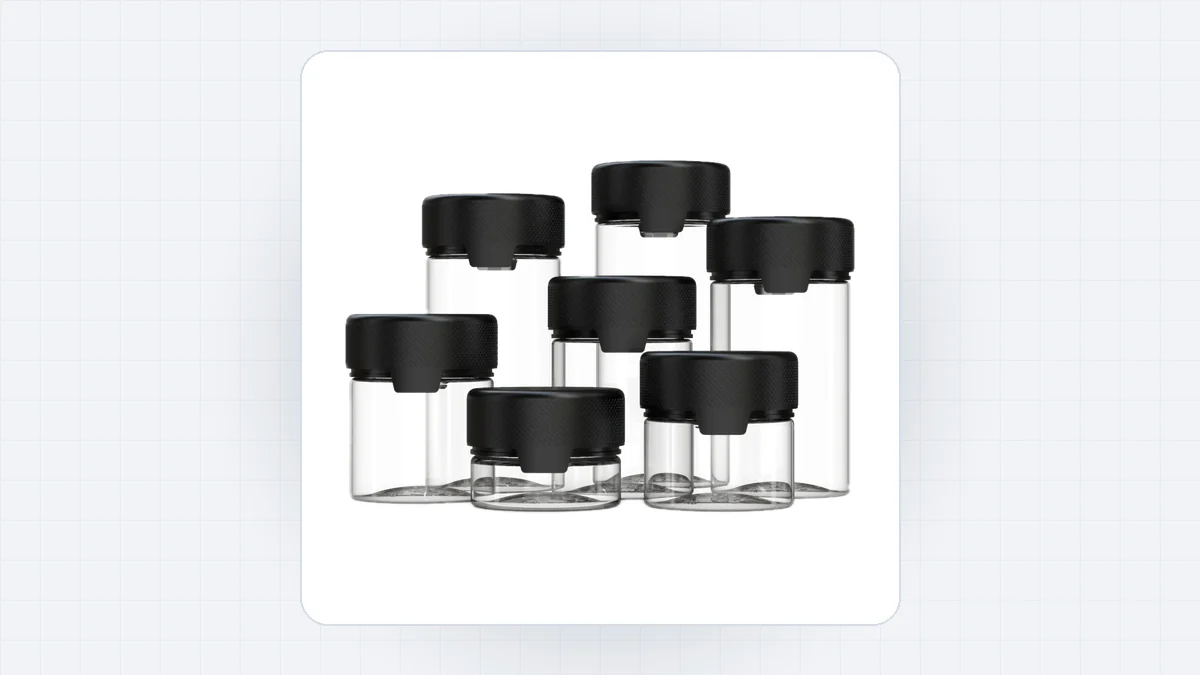
CBD packaging requirements in the UK depend on what the product is. CBD foods and drinks are novel foods, so in England and Wales they must be linked to the Food Standards Agency’s public list and labelled under general food law; CBD cosmetics follow the cosmetics labelling rules; and every CBD pack should stay free of health claims and be clear, honest and secure. There is no single “CBD label law”, so start by deciding which regime your product falls under.
Start with the product category
CBD is an ingredient, not a product category. The same extract can be in a food, a drink, a cosmetic cream or a vape liquid, and the packaging rules follow the product, not the ingredient.
| Product type | Main rules | Key label points |
|---|---|---|
| Foods, drinks and food supplements containing CBD | Novel food rules and general food labelling law; FSA public list in England and Wales | Mandatory food particulars, plus the statements the FSA encourages |
| Cosmetics containing CBD (creams, balms, serums) | Cosmetics Regulation as it applies in Great Britain | Responsible person, nominal content, durability, precautions, batch, function, ingredients |
| Vape liquids containing CBD | General product safety law; GB CLP if the liquid is classified as hazardous; nicotine rules if it contains nicotine | Hazard labelling where classified, clear identification, batch coding |
| All CBD products | Drugs law on controlled cannabinoids; consumer protection law on claims | No health claims, no misleading wording |
This guide covers the packaging and labelling side only. It is not legal advice. Check the current rules with the relevant regulator or a legal adviser for your product.
CBD foods: the novel food position
The Food Standards Agency’s CBD guidance explains that, since January 2019, CBD extracts, isolates, synthetic CBD and products containing them have been treated as novel foods. Novel foods need authorisation before they can be sold legally, and the guidance says no CBD extracts or isolates have been authorised yet.
In England and Wales, the FSA keeps a public list of CBD food products linked to novel food applications. Being on the list is not an authorisation. Products appear on it because they were on the market by 13 February 2020 and are tied to an application in the process. Products not on the list, or marked as removed, should be withdrawn. Scotland is covered by Food Standards Scotland, and Northern Ireland follows EU rules.
The guidance also says labels may need updating to match the specification of any future authorisation, and businesses may reformulate products and update packaging. That is a practical reason to keep CBD food artwork easy to edit and to avoid very long print runs of a single version.
What a CBD food label must show
CBD foods must meet general food labelling law. Article 9 of the food information regulation (retained Regulation (EU) No 1169/2011) lists the mandatory particulars:
- the name of the food;
- the list of ingredients;
- allergens, emphasised in the ingredients list;
- the quantity of certain ingredients or categories of ingredients;
- the net quantity;
- the date of minimum durability or the “use by” date;
- any special storage conditions or conditions of use;
- the name and address of the food business operator;
- the country of origin or place of provenance where required;
- instructions for use where they are needed;
- the alcohol strength for drinks above 1.2% alcohol by volume;
- a nutrition declaration.
Statements the FSA encourages
On top of the legal particulars, the FSA guidance encourages CBD food labels to show the amount of CBD per serving, and advisory statements, for example that the product is not suitable for under-18s, or during pregnancy or breastfeeding. Plan space for these from the first draft; they are hard to add to a small pack later.
CBD cosmetics: the cosmetics label
A CBD cream, balm or serum is a cosmetic if it is applied to the outside of the body for cleaning, perfuming, protecting or changing its appearance. Article 19 of the Cosmetics Regulation, as it applies in Great Britain, requires the container and packaging to show, in indelible, easily legible and visible lettering:
- the name and address of the responsible person;
- the nominal content by weight or volume (with exemptions for very small packs and samples);
- the date of minimum durability, or a period-after-opening symbol for products that last longer than 30 months;
- particular precautions for use;
- the batch number or another product reference;
- the function of the product, unless it is clear from the presentation;
- a list of ingredients, headed “ingredients”.
Article 19 allows the ingredients list to go on the outer packaging alone, and allows the batch reference to go only on the packaging where the container is too small. For a small dropper bottle in a box, that usually means the box carries the full list and the bottle carries the key details.
Claims and wording to avoid
The wording on a CBD pack attracts more scrutiny than almost any other part of the design. Keep it factual.
- No health claims. Do not suggest the product has any effect on the body or mind. Claims of that kind can move a product into stricter regimes and can mislead buyers.
- No misleading purity or strength claims. State CBD content accurately and only where you can back it up.
- No references to controlled cannabinoids as a selling point. The FSA guidance says CBD products must not be controlled substances under drugs law, and products containing controlled cannabinoids must meet the narrow conditions for exempt products.
- No imagery that implies recreational use or appeals to children.
If you are unsure about a line of copy, take it out or check it with your local Trading Standards service or a legal adviser before printing.
Packaging safety and quality
Beyond the label, the pack itself should protect the product and the buyer.
Tamper evidence
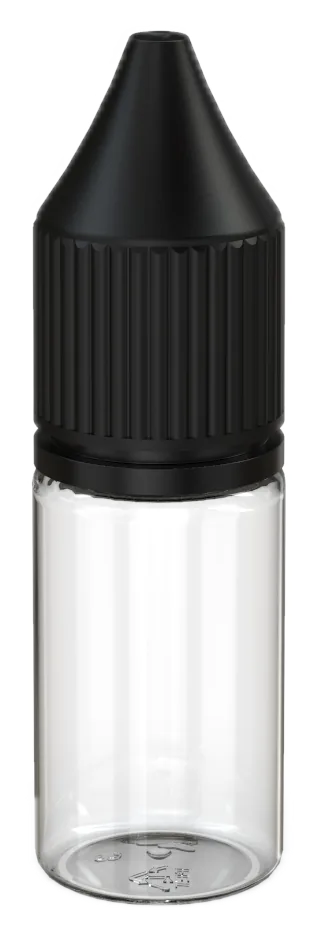
A tamper-evident band, inner seal or seal sticker shows a buyer that the pack has not been opened. Many of the Chubby Gorilla bottles and containers we supply have a tamper-evident break-off band.
Child-resistant closures
Child-resistant packaging is not a general legal requirement for CBD foods or cosmetics, but it can apply where a liquid is classified as hazardous under GB CLP, and many brands choose it anyway. Our guide to child-resistant packaging in the UK explains the standards.
Light, air and contact
Amber or opaque containers are a common choice for light-sensitive liquids, and a good closure limits air exposure. For foods, the packaging must be suitable for food contact, so ask your supplier to confirm this for your product.
Batch coding
Both food and cosmetics rules call for a batch or lot reference. Leave a clear, flat panel for it and test that your coding method takes on the finish.
Designing a CBD pack that fits everything
Small bottles and jars leave little room. A few habits help:
- List every required item first, then design around it.
- Use the outer box or a second label for long ingredients lists and advisory text.
- Keep type legible. Do not shrink legal text to fit a design; change the design.
- Use plain finishes for legal panels. Keep special finishes for the brand mark, not the small print.
- Proof at actual size and read every line.
Packaging for CBD brands
We supply packaging for CBD and hemp brands, including dropper bottles, glass jars with custom labels, child-resistant containers and custom stickers. See our CBD packaging page for the full range, or send your product type, pack sizes and label plans through the quote form. We make the packaging; the product, its legal status and its label content remain your responsibility.
Frequently asked questions
What must be on a CBD product label in the UK?
It depends on the product type. CBD foods need the mandatory food particulars, such as name, ingredients, allergens, net quantity, date marking and business name and address. CBD cosmetics need the cosmetics particulars, including the responsible person, ingredients and batch reference.
Do CBD foods need to be on the FSA public list?
In England and Wales, CBD food products must be linked to the FSA’s public list of products tied to novel food applications. Being on the list is not an authorisation, and products not on it should be withdrawn.
Should a CBD label show the amount of CBD?
The FSA encourages CBD food labels to show the amount of CBD per serving, along with advisory statements such as the product not being suitable for under-18s.
Can CBD packaging make health claims?
Keep CBD packaging free of health claims. Wording that suggests an effect on the body or mind can mislead buyers and move a product into stricter rules. Check any doubtful copy with Trading Standards or a legal adviser.
Does CBD packaging need to be child-resistant?
It is not a general requirement for CBD foods or cosmetics, but it can apply to liquids classified as hazardous under GB CLP. Many brands choose child-resistant and tamper-evident closures as good practice.