

Packaging sleeves for boxes: when a sleeve beats a full box
When a printed card sleeve beats a full box, when it does not, and how to get the fit, artwork and compliance text right.
Packaging sleeves for boxes are printed card bands that slide over a box, tray or device pack, carrying the branding and product details while the box underneath does the structural work. A sleeve beats a full printed box when you want to rebrand stock packaging, run several flavours or editions on one base box, or cut print and storage without losing shelf presence.
What a packaging sleeve is (and what it is not)
A packaging sleeve is a tube of printed board, open at both ends, that slides over a box. The box gives the product its protection and shape. The sleeve gives it a face. Because the sleeve is a separate part, you can change it without touching the box, the insert or the product.
The word gets used loosely, so it helps to separate the main formats before you ask for a quote:
- Full sleeve: covers four faces of the box and leaves the two ends open. This is the classic card sleeve packaging you see on gift boxes and device packs.
- Belly band: a narrow strip around the middle of a box. It carries a logo, a flavour name or a seal, and leaves most of the box on show.
- Slip case: a sleeve with one closed end, so the box slides in like a book into a case.
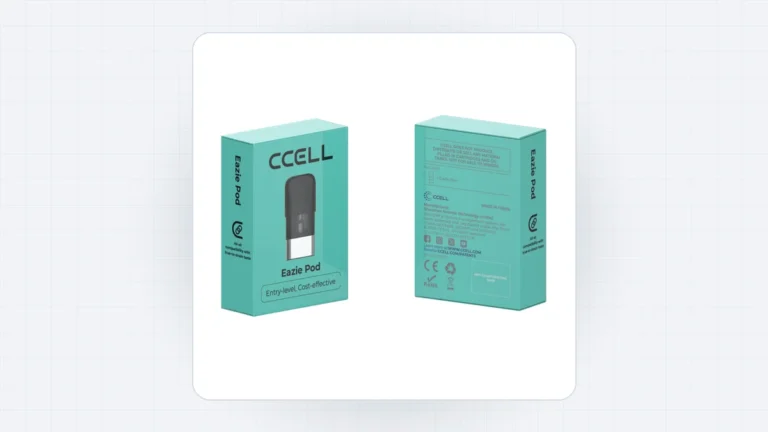
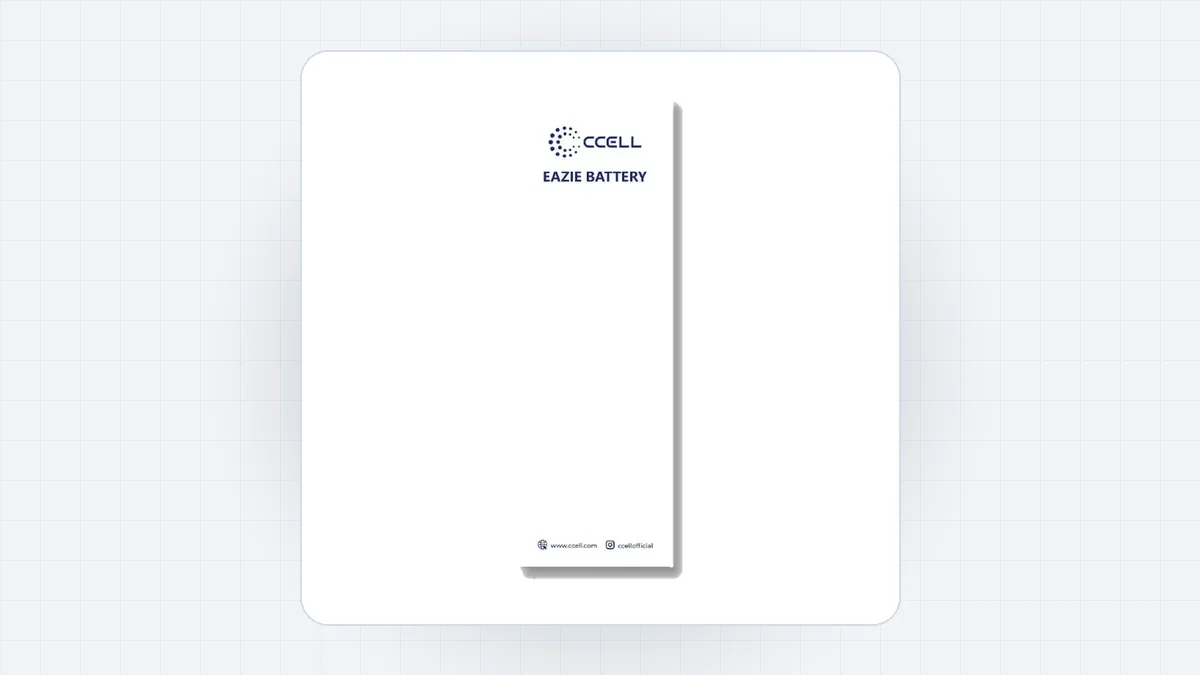
- Device sleeve: a sleeve made to fit a specific product pack, such as the CCELL sleeves for the Eazie Battery and Eazie Pod, with the product details already printed on the back.
A sleeve is not a shrink wrap or a printed film. Film wraps are a different material, apply with heat and are hard to remove cleanly. A card sleeve can be slid off and reused for display, and it sorts with paper and board at the end of its life.
Sleeve vs box packaging: the trade-offs
The sleeve vs box packaging decision usually comes down to how many variants you sell, how often your artwork changes and how the pack travels. This table sets the two side by side.
| Factor | Sleeve over a plain box | Fully printed box |
|---|---|---|
| Range variants | One base box for every variant; only the sleeve changes | A separate printed box for every variant |
| Artwork changes | Reprint the sleeve only | Reprint the whole box |
| Storage | Flat sleeves take little space | Every variant needs its own stock of boxes |
| Protection | Comes from the box underneath | Comes from the box itself |
| Shelf impact | Strong on the front and back; the ends show the base box | Every panel carries your design |
| Opening experience | Two steps: slide off the sleeve, then open the box | One step |
| Tamper evidence | A sleeve alone shows nothing; add a seal sticker | Same: a seal or glued flap is still needed |
| Material use | Extra board on top of the box | One structure, no extra layer |
Neither format is better in every case. A sleeve adds a part, so it only pays off where it saves you from printing many different boxes, or where it lets you brand a box you cannot print yourself.
When a sleeve beats a full box
Sleeves earn their place in a few clear situations. If one of these describes your range, start with a sleeve.
You sell many variants on one box size
A brand with ten flavours in the same device or the same jar needs ten printed boxes, or one plain box and ten sleeves. Sleeves keep your base stock simple: one box size to order, store and pack, with the variant decided at the last step.
You want to brand stock packaging
Many products arrive from the maker in its own stock packaging. A sleeve lets a retailer or distributor put their own look on that pack without opening it or changing it. The stock pack keeps its own information underneath; the sleeve adds your brand on top.
You run limited editions and seasonal packs
A seasonal sleeve on your normal box gives you a fresh look for a short period, with no leftover printed boxes when the season ends. The base box carries on as normal.
You need a short run
Short runs of a full printed box can be hard to justify. A sleeve is a simpler print job, so a small test run of a new design is easier to try before you commit to a full box.
When you still need a full box
A sleeve is the wrong choice in some cases, and it is better to know that before artwork starts.
- The pack ships on its own. If the product goes into the post without an outer carton, the sleeve can slip or scuff. A tuck box or a mailer holds together better in transit.
- The product is heavy. A sleeve only grips by friction. A heavy product in a flimsy base box can push out of the open ends.
- You need every panel branded. The two open ends of a sleeve show the box underneath. If those ends face the customer on your shelf, print the box itself.
- Every gram of packaging counts. A sleeve is an extra layer. If you are working to cut packaging weight, a printed box with no sleeve uses less material.
If a full box is the better fit, our retail boxes include small, medium and large tuck boxes printed with your artwork, which you can preview folded in 3D before you order.
Packaging sleeve printing: getting the fit and artwork right
Packaging sleeve printing goes wrong in the same few ways. Most problems come from measurements rather than design.
Measure the filled box
Measure the box with the product, insert and any leaflet inside, closed as it will be sold. Boxes bulge slightly when filled, and a sleeve cut to the empty box can be too tight to slide on by hand. Measure width, depth and height, and note which way the sleeve slides on.
Agree the tolerance
A sleeve needs a little clearance so it slides on without tearing at the corners, but not so much that it drops off when the box is picked up. Ask for a sample sleeve on your real box before the run, and test it with the people who will pack it.
Set up the artwork on the dieline
Every sleeve has a flat shape with fold lines, a glue flap and bleed. Place your artwork on the supplied dieline, keep text away from the folds and the glue flap, and extend background colour into the bleed. Our dielines page explains how bleed and safe areas work on our templates.
Choose the finish with the shelf in mind
A sleeve is the first thing a customer touches, so finish matters. Matte reads as calm and premium, gloss makes colour pop, and a raised finish on a logo draws the eye. Our materials and finishes page compares the options.
Sleeves on vape packaging: keep the compliance text visible
For vape products, the sleeve sits on top of packaging that already has legal work to do. The Tobacco and Related Products Regulations 2016 require a nicotine warning on the front and back of each unit packet and any container pack, covering 30% of those surfaces, under regulation 37. They also require an ingredients list, the nicotine content, a batch number and a recommendation to keep the product out of reach of children.
A sleeve that covers the inner pack can hide that information from the buyer. Plan the sleeve so it does not obscure what the inner pack must show, or make sure the sleeve itself carries the required text where your product needs it. If you are unsure how the rules apply to a sleeved pack, check the current rules with the relevant regulator or a legal adviser for your product. Our guide to vape labelling requirements in the UK sets out what the pack must show.
CCELL Eazie sleeves we supply
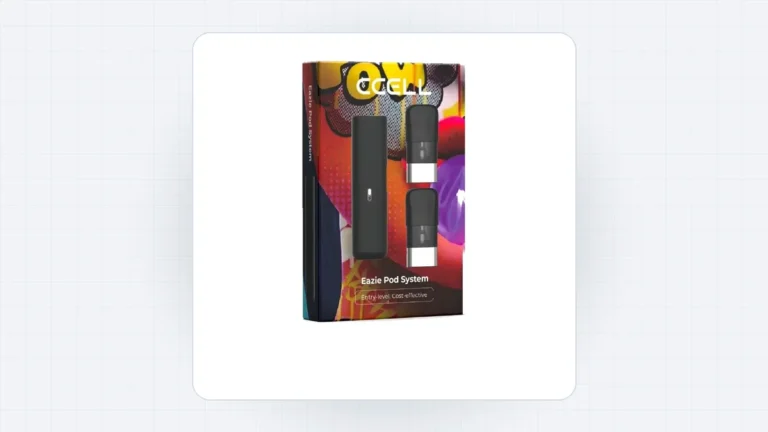
For the CCELL Eazie family we supply the official CCELL sleeves. They are CCELL stock packaging, sold as sleeves, and they carry the CCELL product details, manufacturer details and compliance marks on the back. The device is not included; we supply the packaging only.
- Eazie Battery sleeves in plain white with the CCELL mark, plus Graffiti and Modern Times designs.
- Eazie Pod sleeves in plain white with the CCELL mark, plus Graffiti and Modern Times designs.
- Battery + 510 Cart sleeves in plain white with the CCELL mark and “Battery + 510 Cart” on the front.
If you want a full retail box rather than a sleeve, the CCELL Eazie packaging guide explains every box and sleeve format side by side. For cartridges, our post on 510 cartridge packaging compares containers, tubes and sleeves.
Next step: match the sleeve to your range
Start with three questions: how many variants share one box size, does the pack ship on its own, and does the inner pack carry text that must stay visible. If you sell several variants on one base and the pack travels inside an outer, a sleeve is likely the better choice. If not, a printed box will serve you better.
For CCELL Eazie products, choose the stock sleeve that matches your device. For a sleeve on your own box, send the filled box size, the quantity and your artwork through the quote form and we will come back with what we can make and a quote.
Frequently asked questions
What is a packaging sleeve?
A packaging sleeve is a printed band of card that slides over a box, open at both ends. The box protects the product and the sleeve carries the branding, so you can change the look without changing the box.
Is a sleeve better value than a printed box?
It depends on your range. A sleeve adds a part, so it pays off when it replaces many different printed boxes with one plain base box, or lets you brand stock packaging. Ask for a quote on both options for your quantities and compare.
Do sleeves fall off boxes?
A well-fitted sleeve stays on by friction. Problems come from measuring the empty box instead of the filled one, or from too much clearance. Test a sample sleeve on your real, filled box before the run.
Can I put my brand on a CCELL Eazie sleeve?The CCELL sleeve packs are CCELL stock packaging with CCELL print, supplied in a clear plastic sleeve, and your own sticker can go on that sleeve. If you want your own brand on the front, the CCELL plain front Eazie Pod System boxes take a custom sticker on the front panel.
Can a sleeve cover the nicotine warning on a vape box?
The 2016 regulations require the warning on the front and back of the unit packet and any container pack. Plan the sleeve so it does not hide required text, and check the current rules with the regulator or a legal adviser for your product.
Can a sleeve cover the nicotine warning on a vape box?
The 2016 regulations require the warning on the front and back of the unit packet and any container pack. Plan the sleeve so it does not hide required text, and check the current rules with the regulator or a legal adviser for your product.